
When to Replace Old Nail Files and Buffers
M**ake sure you replace old nail files and buffers when they chip, dull, or crack, because safety and a flawless finish depend on them.

M**ake sure you replace old nail files and buffers when they chip, dull, or crack, because safety and a flawless finish depend on them.
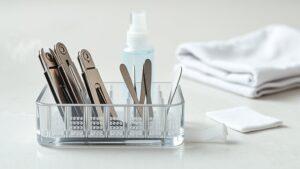
D**ry nail tools completely, store them in a clean, closed, non-lint-shedding case with separate compartments—because moisture and dust can quickly cause corrosion and odors.
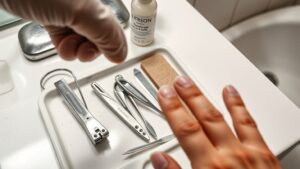
My nails are safer when your shared clippers don’t spread hidden microbes through tiny cuts and hangnails—learn how to protect yourself next.

Tackle how to sanitize nail tools at home by cleaning crevices and blades with proper disinfectant—then keep reading for exact products and timing.
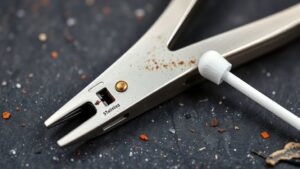
Just as germs and keratin buildup cling to clippers’ blades and pivots, regular cleaning prevents irritation and helps you avoid infection—read on to see how.

B**e safe when trimming toenails with clean clippers, straight cuts, and rounded corners to prevent injury and ingrown risk—keep reading to avoid mistakes.

Nurture safer toenail cleaning by soaking, gently loosening debris, and fully rinsing and drying—because avoiding painful infection hazards matters.

F**ind out why breathable footwear isn’t just comfort—it keeps skin drier, reduces friction and odor, and protects your stride for longer.