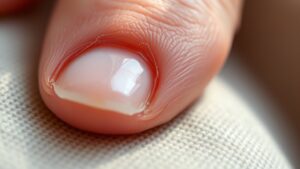
What Cuticles Actually Do
F**rom sealing your nail’s living barrier to blocking germs, what cuticles actually do is essential—so don’t trim them before you learn how they adapt.

F**rom sealing your nail’s living barrier to blocking germs, what cuticles actually do is essential—so don’t trim them before you learn how they adapt.

Uneven, rough nails can be gently smoothed with careful filing and hydration—just don’t overdo it, or you may miss a hidden cause.

Thinning can happen when over-buffing abrades your nail plate instead of smoothing it, weakening keratin and leaving nails dull and prone to splitting.
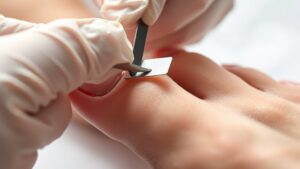
Nail filing gently with fine-grit strokes prevents weakening and splitting—stop before pain starts, and keep reading to master the safest technique.

P**revent pain from sharp toenail corners by trimming straight, soaking, and using a barrier dressing—then learn what to do when swelling or pus appears.

Prevent ingrown toenails by trimming straight across to guide even nail growth and reduce edge pressure—discover the safe cutting length next.

G**o too short on toenails and you remove the nail’s support, allowing the edges to grow into skin—worsening pain and infection risk.

Like tiny ramps that keep extending, toenails need trimming every 6–8 or 8–10 weeks to prevent snagging and ingrown pain.

Gritty, aggressive nail cleaning can damage protective layers, weaken keratin, and cause irritation—what subtle signs might appear next as nails start to fail?

C**lean toenails gently by soaking briefly, then wiping softly to remove grime without over-scrubbing—want to know the preventive habits and common mistakes?